

Caño Island Tour Details
This is a full-day tour from 7:00 am to approximately 2:30 pm. The tour departs from Uvita to Caño Island, with an approximate 1 hour and 30 minute boat ride.
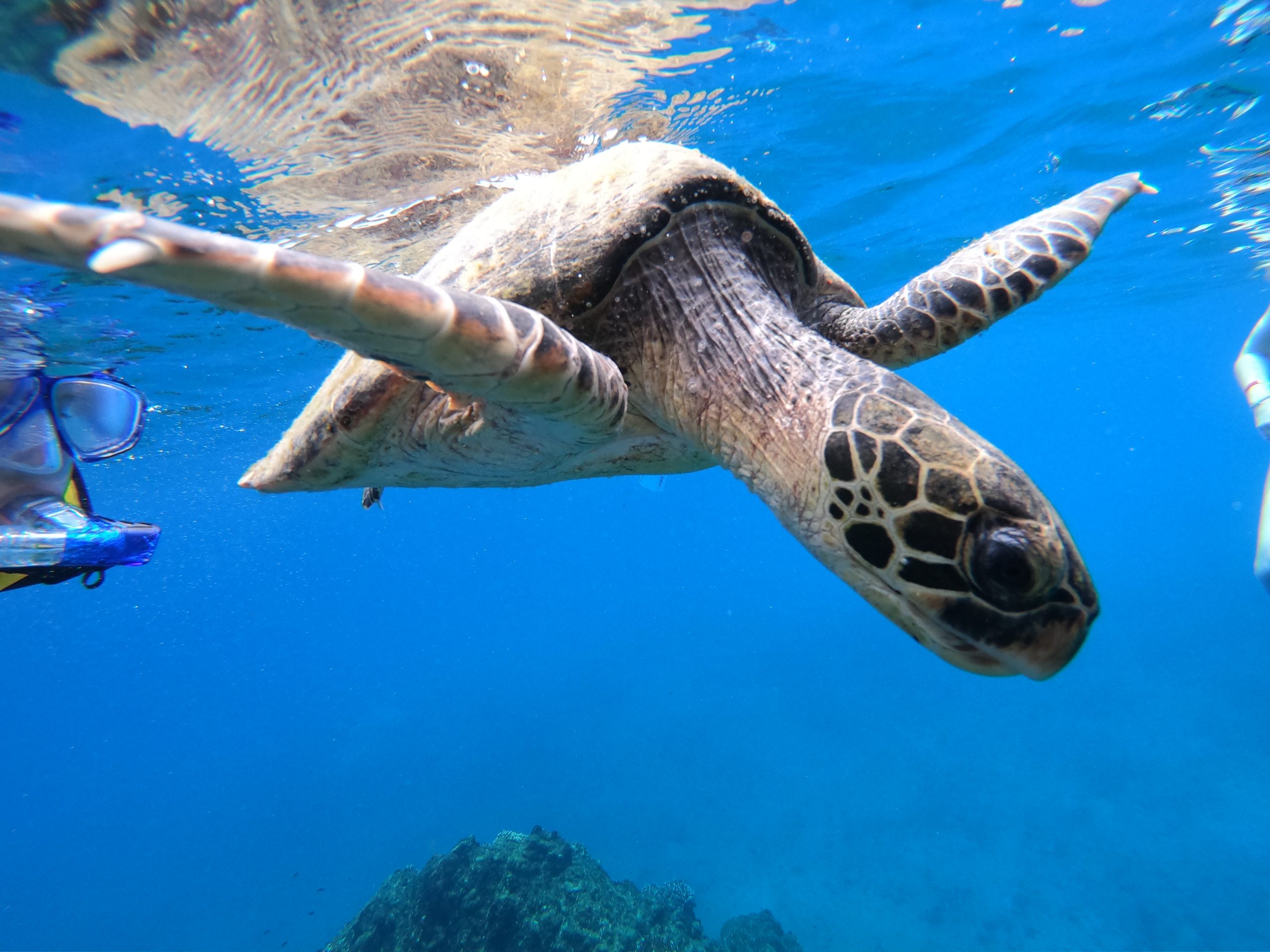
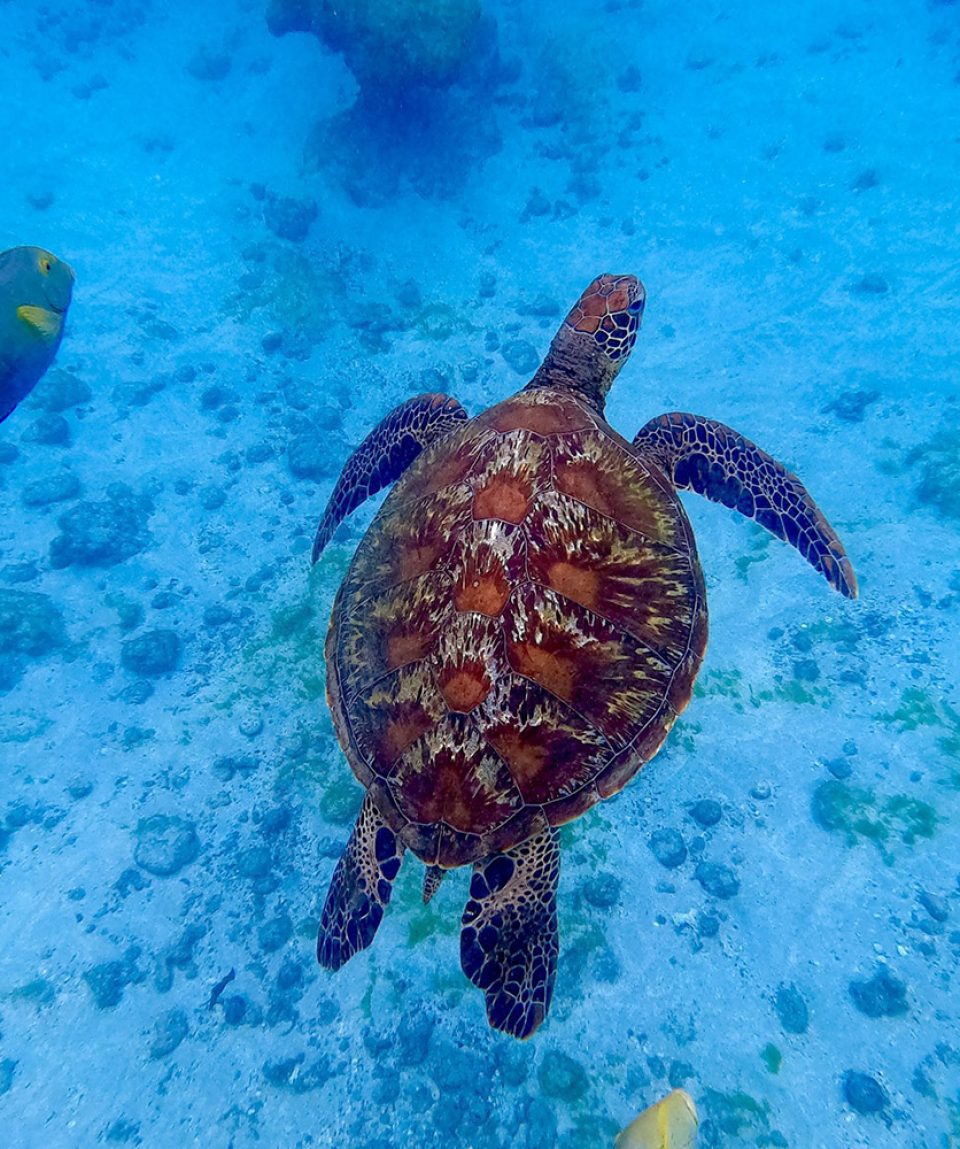
During the trip, there is a great opportunity to spot whales (during whale season), dolphins, and sea turtles.
Upon arrival at Caño Island, guests will enjoy two guided snorkeling sessions, each lasting approximately 40 to 50 minutes.
Between the snorkeling sessions, a light snack will be provided. After the snack, guests will have the opportunity to visit the beach for approximately 15 minutes, with access to the restrooms and the island viewpoint (this depends on sea conditions).
Afterwards, the second snorkeling session will take place. Once the second snorkeling session is completed, the group will return to Uvita, to the departure point at our Dolphin Tour offices.
Once back at our facilities, a picnic-style lunch will be served at our offices, allowing guests to enjoy greater comfort and proper access to restroom facilities.
In this way, visitors can enjoy their lunch in a relaxed and comfortable environment before concluding the activity.
Snorkeling at Caño Island
Caño Island features pristine waters and is known for having some of the bluest waters in the country, hosting a spectacular variety of marine life and magnificent coral reefs, recognized as one of the best diving and snorkeling locations in the world.
The island’s greatest richness lies beneath the vibrant blue waters surrounding it, where an incredible biodiversity of fish species and coral reefs makes this island a true natural paradise.
The coral reefs surrounding the island grow at depths of up to 15 meters, providing habitat for a large number of small and large marine species that bring life to this beautiful and scenic island.
Large schools of fish, jacks, reef sharks that are frequently observed, and manta rays make this area one of the most popular places in Costa Rica for recreational and deep diving, as several suitable dive sites have been identified around the island.
Caño Island is also home to a wide variety of fish, whales, and sharks.
Caño Island Biological Reserve
The island has important archaeological value, as it was used as a prehistoric cemetery and permanent settlement by pre-Columbian indigenous cultures. Visitors can still observe remains of ceramics and small stone spheres made by indigenous peoples.
It is also an area rich in tropical vegetation and serves as a resting place for migratory birds.
Caño Island is located on the continental shelf of the Pacific Ocean of Costa Rica, 16 km northwest of the Osa Peninsula, in the province of Puntarenas.
The Caño Island Biological Reserve consists of 320 hectares of land and 5,800 hectares of marine territory. Its waters contain one of the largest and best-preserved coral reef formations on the Pacific coast of Costa Rica.
There are five coral reef platforms, ranging from 0.8 to 4.2 hectares in size.
The beaches are composed of sand and rock, and the higher areas contain undisturbed tropical rainforest as well as secondary forests of different ages. A total of 158 plant species have been identified on the island.
Like Marino Ballena National Park, Caño Island is also a meeting point for humpback whales from both the Northern and Southern Hemispheres.
Please consult availability before making any payment.